A config file, sometimes called a configuration file, stores configuration data for a program or operating system. It allows users to customize settings and change default behaviors to their liking.
System Configuration is a system utility that allows you to troubleshoot issues with Windows startup. It provides options to customize the startup process, including the ability to enable or disable software, control startup services, and access other advanced system settings.
A configuration file, also known as config file, is a file that stores data used to configure a software system such as an application, a server or an operating system.
What is a CONFIG file? A CONFIG file is a configuration file used by various applications. It contains plain text parameters that define settings or preferences for building or running a program. CONFIG files are often referenced by software development programs to configure applications.
Configuration files ("config files" for short) are important to modern computing. They allow you to customize how you interact with an application or how an application interacts with the rest of your system.
A configuration file, often shortened to config file, defines the parameters, options, settings and preferences applied to operating systems (OSes), infrastructure devices and applications in an IT context.
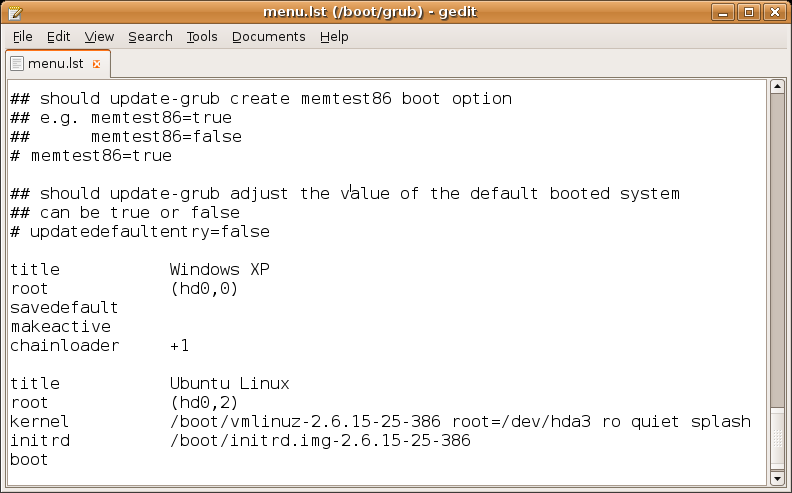 A configuration file, also known as config file, is a file that stores data used to configure a software system such as an application, a server or an operating system.